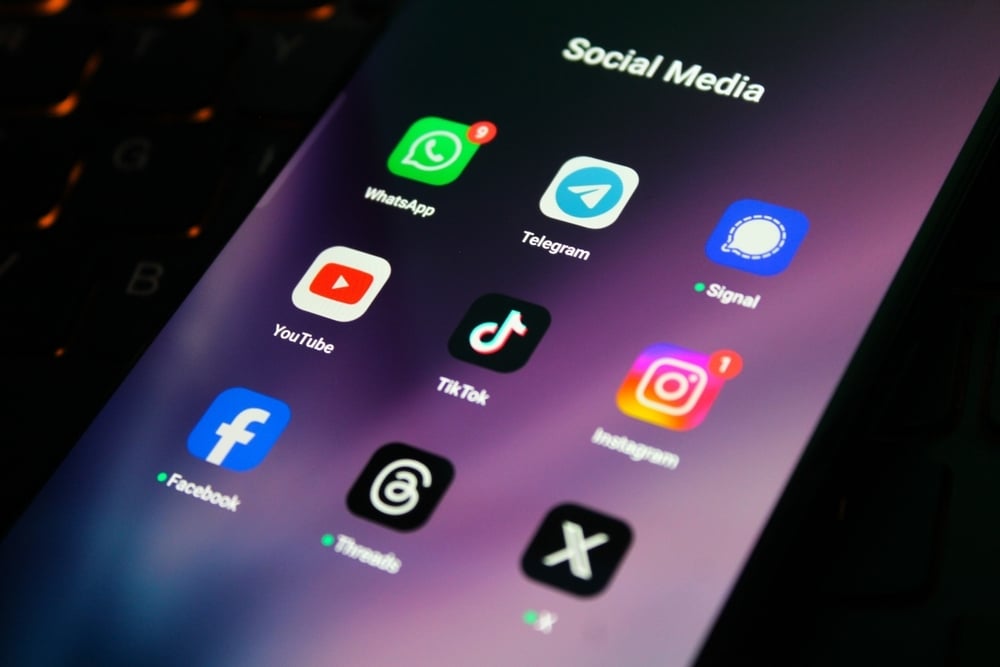
Influencer marketing has evolved from a side hustle into a multi-billion-pound global industry. Whether you’re a TikTok creator, YouTuber, Instagram influencer, or content creator building a personal brand online, one question comes up time and time again:
Do influencers pay taxes?
The short answer is yes — and in many cases, influencers face more complex tax obligations than traditional employees.
At Pulse Accountants, we work exclusively with online creators, influencers, digital entrepreneurs, and social-media-led businesses across the UK. We see first-hand how misunderstandings around tax can quickly turn a successful influencer career into a financial and compliance nightmare.
This guide breaks down everything UK influencers need to know about taxes — clearly, practically, and based on how HMRC actually treats influencer income in the real world.
Are Influencers Required to Pay Tax in the UK?
Yes. Influencers are legally required to pay tax on their income, just like any other business owner or self-employed individual.
HMRC typically classifies influencers as:
- Self-employed individuals
- Sole traders
- Or limited company directors (depending on structure)
If you earn money — or receive something of value — as a result of your online influence, it is almost always considered taxable income.
This applies regardless of:
- Platform (Instagram, TikTok, YouTube, Twitch, OnlyFans, Substack, etc.)
- Audience size
- Whether influencing is full-time or a side hustle
- Whether you are paid in cash, crypto, or free products
If influencing generates income, HMRC expects it to be declared.
What Counts as Taxable Income for Influencers?
One of the most common misconceptions is that only cash payments are taxable. In reality, influencer income goes far beyond brand fees.
Common Types of Influencer Income That Are Taxable
UK influencers must declare income from:
- Sponsored posts and brand collaborations
- Affiliate commissions
- Ad revenue (YouTube AdSense, TikTok Creator Fund, Facebook monetisation)
- Paid partnerships and ambassadorships
- Appearance fees
- Digital product sales (courses, presets, eBooks)
- Subscriptions (Patreon, OnlyFans, paid communities)
- Tips, gifts, and donations
- Livestream income
- Podcast and content sponsorships
If you’re being compensated because of your influence, HMRC considers it taxable.
Are Free Products and Gifts Taxable for Influencers?
Yes — gifted products are usually taxable, and this is one of the most overlooked influencer tax rules.
If a brand provides goods or services in exchange for promotion, HMRC treats the market value of that item as taxable income.
This includes:
- Clothing and fashion items
- Skincare and beauty products
- Technology and equipment
- Travel experiences
- Event tickets
- Hotel stays
- PR packages
Example
If a brand sends you a £2,000 camera in exchange for content, you must declare £2,000 as income, even if no money changes hands.
At Pulse Accountants, we help influencers track gifted income correctly — ensuring it’s declared accurately without overpaying tax or missing deductions.
Do Influencers Pay VAT?
Potentially — and this is where many UK influencers get caught out.
Influencers may need to register for VAT once their taxable turnover exceeds the VAT registration threshold (currently £85,000 over a rolling 12-month period).
VAT Considerations for Influencers Include:
- UK brand partnerships
- Digital services
- Merchandise and product sales
- Overseas clients (where UK VAT rules still apply)
- Whether VAT should be charged on invoices
Many influencers cross the VAT threshold without realising it, particularly when income increases quickly through brand deals or viral growth.
Late VAT registration can result in:
- Backdated VAT bills
- Penalties and interest
- Cash-flow pressure
Professional advice ensures VAT is handled correctly from the outset.
Are Influencers Considered Businesses by HMRC?
From a tax perspective, yes.
Once influencing is profit-motivated or generates regular income, HMRC treats it as a business — not a hobby.
This means influencers must:
- Keep financial records
- Register for Self Assessment
- Lodge annual tax returns
- Report all income (including non-cash income)
- Understand allowable deductions
Attempting to treat influencing as “just a hobby” after monetisation is one of the fastest ways to attract HMRC penalties.
How Do Influencers Get Taxed in the UK?
Tax treatment depends on your business structure.
1. Sole Trader / Self-Employed Influencer
- Income taxed at personal tax rates
- Simpler setup
- Often less tax-efficient as income grows
2. Limited Company
- Corporation Tax on profits
- Ability to extract income via salary and dividends
- Better long-term tax planning and protection
- More compliance — but often worth it for growing creators
At Pulse Accountants, we regularly assess when influencers should consider incorporating — a decision that can save tens of thousands of pounds over time.
What Expenses Can Influencers Claim as Tax Deductions?
Influencers are entitled to claim legitimate business expenses — but only when they are properly documented and defensible.
Common Influencer Tax Deductions
- Cameras, lighting, microphones
- Editing software and subscriptions
- Phones and internet (business portion)
- Home office costs
- Travel for content creation
- Clothing used exclusively for shoots
- Props and staging items
- Accounting and legal fees
- Analytics tools and platforms
- Education related to content creation
Claiming expenses incorrectly is just as risky as not claiming them at all. Influencer audits are increasing, and expense claims are often scrutinised closely.
What Happens If Influencers Don’t Pay Tax?
Failing to declare influencer income can lead to:
- Backdated tax bills
- Penalties and interest
- HMRC enquiries or audits
- Payment plans
- Legal action in serious cases
HMRC now actively monitors:
- Social media platforms
- Brand agencies
- Affiliate networks
- Payment processors
- Banks
- Public content
The idea that influencer income is “hard to track” is outdated.
Why Influencers Get Tax Wrong So Often
In our experience, influencers struggle with tax because:
- Income is irregular
- Payments come from multiple platforms
- Free products feel “non-taxable”
- No employer withholds tax
- Online advice is often wrong or outdated
- Generic accountants miss influencer-specific rules
This is why specialist guidance matters.
How Much Tax Should Influencers Set Aside?
Unlike employees, influencers don’t have tax deducted at source. This makes forward planning essential.
A General Rule of Thumb
While exact tax depends on income and structure, many UK influencers should set aside:
- 25–35% of income for tax
- Plus VAT, if registered
High-earning influencers may need to set aside more.
At Pulse Accountants, we build tailored tax buffers so creators can spend confidently without fearing tax season.
Do Influencers Need to Submit Tax Returns?
Yes. If you earn influencer income, you must submit a Self Assessment tax return — even if:
- Income was inconsistent
- You made a loss
- Influencing was part-time
- Payments came from overseas
Missed filings often trigger penalties faster than unpaid tax itself.
How Does HMRC Track Influencer Income?
HMRC uses increasingly sophisticated systems, including:
- Data from PayPal, Stripe, Wise
- Platform monetisation reports
- Affiliate network data
- Bank information
- Public online content
In short: if you’re earning online, HMRC is already aware.
Can Influencers Reduce Tax Legally?
Absolutely — when done correctly.
Influencer tax planning focuses on structure, timing, and strategy, not shortcuts.
Legal Ways Influencers Reduce Tax
- Choosing the right business structure
- Claiming deductions properly
- Managing income timing
- Using companies as income grows
- Separating IP and brand income
The difference between DIY tax and specialist planning can easily reach five figures per year.
Do Influencers Need a Specialist Accountant?
If you want to stay compliant and keep more of what you earn — yes.
Influencers operate at the intersection of:
- Business income
- Digital platforms
- International payments
- Non-cash compensation
Most general accountants are not trained in influencer-specific tax rules. Specialist advice makes a measurable difference.
Why Influencers Choose Pulse Accountants
At Pulse Accountants, we don’t just submit tax returns.
We specialise exclusively in influencer accounting, supporting:
- Social media influencers
- Content creators
- YouTubers and digital entrepreneurs
We understand:
- Brand deals and gifting
- Platform monetisation
- Cash-flow volatility
- Growth-stage structuring
- Audit risk reduction
Our clients range from emerging creators to seven-figure influencers — and every strategy is tailored.
Work With Pulse Accountants — Influencer Tax Experts
If you’re asking “Do influencers pay taxes?”, chances are you already know the answer.
The real question is whether you’re paying the right amount — and keeping as much as legally possible.
Pulse Accountants provides specialist influencer tax and accounting services designed to protect your income, reduce tax, and support long-term growth.
👉 Claim your free quote today and speak with an expert who understands influencer income inside out.