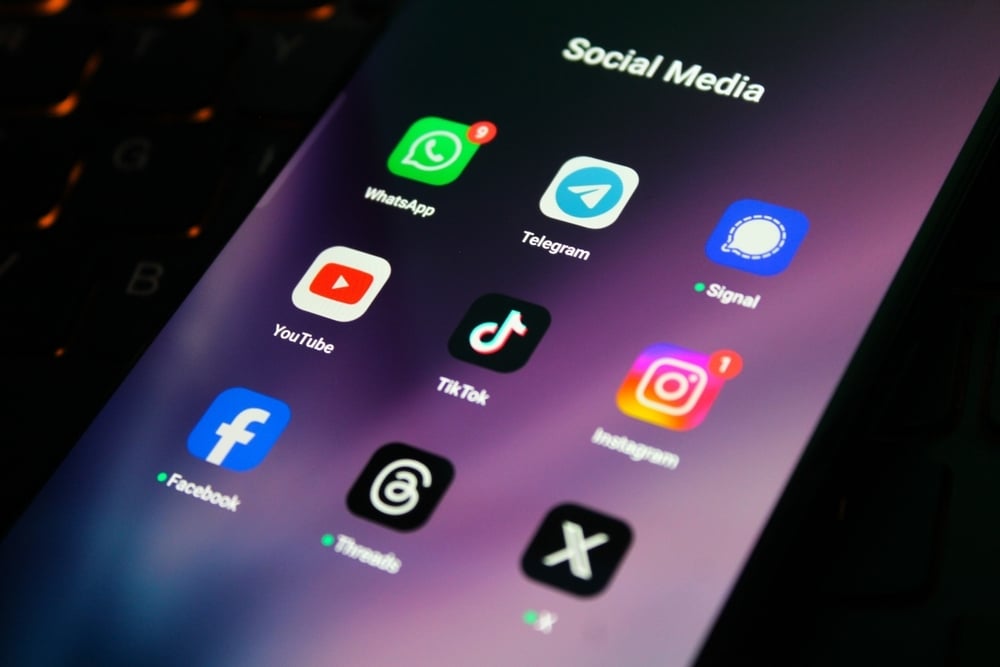
If you earn money as a content creator, bookkeeping is no longer optional — it’s the backbone of a sustainable influencer business.
From brand deals and ad revenue to subscriptions, affiliates, and digital products, influencer income is fast-moving and fragmented. Without proper bookkeeping, even high-earning creators can lose track of profit, miss deductions, and face unexpected tax bills.
This guide explains everything influencers and content creators need to know about bookkeeping — what it is, why it matters, and how to use it to protect and grow your finances as your brand scales.
What Is Bookkeeping for Influencers?
Bookkeeping for influencers is the process of accurately recording, categorising, and monitoring all financial activity connected to your content business. This includes:
- Income from brand deals, sponsorships, platforms, ads, and affiliates
- Business expenses such as equipment, software, contractors, and travel
- Taxes, VAT (where applicable), and platform fees
- Assets like cameras, laptops, and studio equipment
Unlike traditional businesses, influencer bookkeeping is uniquely complex. Income is often split across platforms, paid internationally, or received as non-cash compensation. Expenses frequently overlap with personal life, making accurate classification essential.
This is why bookkeeping for content creators benefits from systems — and often specialist oversight — designed specifically for the creator economy.
Why Bookkeeping Is Critical for Content Creators
Many influencers only look at their finances when tax deadlines approach. By then, it’s often too late to fix problems properly. Bookkeeping isn’t just about compliance — it’s about clarity, control, and confidence.
1. Avoid Unexpected Tax Bills
Influencer income is rarely taxed at source. Without up-to-date bookkeeping, creators often underestimate their tax liability and are hit with large bills at year-end.
2. Track Real Profit (Not Just Revenue)
High revenue doesn’t always equal high profit. Bookkeeping shows what you actually take home after expenses, fees, and tax — not just what lands in your bank.
3. Maximise Legitimate Deductions
From editing software to home studio costs, influencers can claim more expenses than most realise — but only if they’re tracked correctly.
4. Scale With Confidence
Clean financial records improve credibility with brands, lenders, and partners. They also make growth decisions clearer and less risky.
📈
Industry Data Insight
Industry research consistently shows that small businesses and self-employed individuals with regular bookkeeping are far less likely to face late filing penalties or unexpected tax liabilities. For creators with multiple income streams, the gap between “earning well” and “managing finances well” is often bookkeeping.
Common Income Streams Influencers Must Track
One of the biggest challenges in influencer bookkeeping is managing multiple revenue sources. Each stream needs to be tracked correctly for tax, reporting, and planning.
1. Brand Deals & Sponsorships
Payments may be split across months, tied to deliverables, or partially paid in products. Non-cash compensation is still taxable and must be recorded at fair market value.
2. Ad Revenue
Platforms like YouTube, TikTok, Instagram, Twitch, and podcasts pay ad revenue monthly, often with fluctuating amounts and delays.
3. Affiliate Income
Affiliate commissions often lag behind the sale date, making reconciliation between dashboards and bank payments essential.
4. Subscriptions & Memberships
Patreon, OnlyFans, YouTube memberships, and similar platforms generate recurring income that must be recognised correctly.
5. Digital Products & Courses
E-books, presets, templates, and courses introduce additional considerations, including VAT in some cases.
Essential Expenses Influencers Should Be Bookkeeping
One major benefit of proper bookkeeping for influencers is identifying legitimate deductions.
1. Equipment & Technology
Cameras, lenses, lighting, microphones, laptops, and phones used for content creation.
2. Software & Subscriptions
Editing tools, design software, scheduling platforms, analytics tools, and cloud storage.
3. Contractors & Outsourcing
Editors, designers, virtual assistants, managers, and PR support.
4. Travel & Accommodation
Trips related to content creation, brand events, or campaigns (apportioned correctly).
5. Studio & Home Office Costs
Studio rent or a proportion of home expenses where applicable.
Without structured bookkeeping, many of these expenses are forgotten or misclassified — costing creators thousands in lost deductions.
Personal vs Business Finances: The #1 Bookkeeping Mistake
Mixing personal and business finances is the most common issue we see with influencers.
Best practice includes:
- A dedicated business bank account
- A separate business credit card
- Clear rules for shared expenses
This separation improves clarity, strengthens audit protection, and makes professional bookkeeping — whether DIY or outsourced — far easier.
Bookkeeping Software for Influencers
Choosing the right software is essential for managing creator income efficiently.
Popular options include:
- Xero
- QuickBooks Online
- MYOB (region-dependent)
These platforms integrate with banks and payment processors, but software alone isn’t enough. Influencer income often requires custom setup, platform-specific reconciliation, and ongoing review — which many creators eventually choose to outsource as income grows.
💬
What Our Experts Say
"Software is a tool, not a solution. The biggest improvements we see come when creators combine the right systems with expert oversight — that’s when bookkeeping becomes reliable and stress-free."
- Matt McConnell, Director at Pulse Accountants

Cash Flow Management for Influencers
Influencer income is rarely consistent. One month may include several large brand deals, while the next relies mostly on ads or affiliates.
Proper bookkeeping allows creators to:
- Forecast upcoming income
- Set aside tax savings
- Smooth income volatility
- Avoid cash-flow pressure
Many creators eventually choose to have this managed for them, so cash flow planning happens automatically rather than reactively.
📈
Industry Data Insight
Cash-flow problems remain one of the leading causes of financial stress for self-employed individuals. For creators with irregular income, forward-looking bookkeeping dramatically reduces this risk.
Tax Compliance & Bookkeeping for Content Creators
Bookkeeping underpins every aspect of tax compliance.
Key considerations include:
- Income tax and National Insurance
- VAT registration thresholds
- Platform reporting obligations
- International income
Without accurate books, tax planning becomes guesswork — and mistakes are costly.
Why Influencer Accounting Is Easier With Specialists
Influencer accounting doesn’t require specialists — but it becomes significantly easier with them.
Creator income involves platforms, international payments, gifted items, and evolving tax rules. Specialists bring:
- Platform-specific knowledge
- Accurate treatment of non-cash income
- Optimised deductions
- Proactive planning
For many creators, outsourcing bookkeeping and accounting becomes an efficiency decision, not a necessity.
💬
What Our Experts Say
"Creators don’t outsource bookkeeping because they can’t do it — they outsource because their time is better spent creating, not reconciling spreadsheets."
- Matt McConnell, Director at Pulse Accountants
Advanced Bookkeeping Strategies for Scaling Influencers
As income stabilises, bookkeeping must evolve into strategic financial management.
Revenue Recognition & Contract Tracking
Ensuring income is recorded based on contract terms, not just bank receipts.
Asset Depreciation
Spreading the cost of high-ticket equipment correctly to improve cash flow.
Platform Reconciliation
Matching dashboards to bank data to ensure nothing is missed.
These processes are often handled most effectively by professional bookkeeping teams.
📈
Industry Data Insight
Creators who adopt structured financial management earlier tend to scale faster and experience fewer compliance issues as income grows.
Bookkeeping for Influencers With Multiple Platforms
Professional bookkeeping ensures:
- Platform-specific income tracking
- Accurate fee and commission treatment
- Clear performance comparisons
- Reduced dependency risk
This clarity helps creators focus on the platforms that actually drive profit.
How Bookkeeping Supports Brand Deals & Negotiations
Clean books allow creators to:
- Demonstrate consistent income
- Price collaborations confidently
- Forecast long-term partnerships
- Present themselves as professional businesses
Brands increasingly expect this level of professionalism.
Warning Signs Your Bookkeeping Is Holding You Back
Common red flags include:
- Not knowing how much tax you owe
- Uncertainty around monthly profit
- Avoiding financial admin
- Panic at tax time
These are signs you’ve outgrown DIY bookkeeping — not that you’ve failed.
Transform Your Finances With an Influencer Accounting Expert
Bookkeeping isn’t just admin — it’s a growth tool when done properly.
At Pulse Accountants, we specialise in bookkeeping and accounting for influencers and content creators. We understand the platforms, the income structures, and the challenges creators face as they scale.
Our influencer bookkeeping services include:
- Monthly bookkeeping & reconciliations
- Platform-specific income tracking
- Tax-ready financials
- Ongoing support from creator specialists
- Strategic advice as your brand grows
👉 Claim your free quote today and work with accounting experts who specialise in bookkeeping for influencers and content creators.